What Are Piles? Complete Guide to Symptoms and Treatment
What Are Piles and Why Do They Occur?
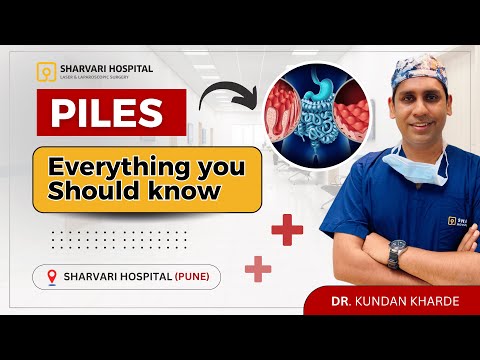
Piles are swollen blood vessels in the rectal and anal areas. They can be internal or external, and their severity ranges from grade 1 to grade 4. Internal piles are located inside the rectum, while external piles form under the skin around the anus. They develop due to increased pressure in the lower rectum, often caused by straining during bowel movements, prolonged sitting, poor diet, and dehydration.
Recognizing the Symptoms
Common symptoms include bleeding during bowel movements (bright red blood on toilet paper), pain or discomfort, itching around the anal area, and visible lumps. Some patients experience mucus discharge, and in severe cases, anemia from chronic blood loss. The intensity of symptoms depends on the grade of piles and whether they are internal or external.
Modern Treatment Options
Treatment ranges from conservative measures like dietary modifications and lifestyle changes to advanced laser surgery. Dr Kharde specializes in laser piles surgery, a minimally invasive procedure with high success rates. This approach offers faster recovery, minimal pain, and same-day discharge compared to traditional open surgery.
Prevention and Lifestyle Management
Preventing piles involves maintaining regular bowel habits, increasing fiber intake, staying hydrated, and avoiding prolonged sitting. Regular exercise and prompt medical attention when symptoms appear significantly reduce the risk of severe complications.
Key Takeaways
Piles are highly treatable conditions. Early intervention and choosing the right treatment method can dramatically improve quality of life. Consult with a specialist to determine the most suitable approach for your specific case.
Frequently Asked Questions
Are piles life-threatening?
Can piles return after laser surgery?
How long does recovery take after piles surgery?
Related Treatments
Related Articles
Dr. Kundan Kharde
17+ years of experience in proctology and surgical care. Dr Kharde specializes in advanced laser treatments and minimally invasive surgeries.
Need Expert Consultation?
Dr. Kundan Kharde has 17+ years of experience in proctology and laparoscopic surgery.